Home / FAQ
Everything readers actually ask us
Money, seasons, safety, camping law, hut bookings, dogs, data roaming and whether September really is the best month. Short answers, no hedging.
- Currency
- Euro (€)
- Language
- Slovene; English widely spoken
- Emergency
- 112
- Schengen
- Member since 2007
- Time zone
- CET / CEST
Money and admin
Before you leave home
What currency does Slovenia use, and are cards accepted?
The euro, since 2007. Cards are accepted almost everywhere including small shops and most mountain huts near road access. Carry €40–€60 in cash for high mountain huts, small gorge car parks, farm stalls and the occasional village gostilna with a card machine that is "temporarily broken".
Do I need a visa?
Slovenia is in the Schengen Area. EU/EEA citizens need only an ID card. UK, US, Canadian, Australian and New Zealand passport holders can visit visa-free for up to 90 days in any 180-day period, with the EU's ETIAS authorisation expected to apply to those nationalities once it launches. Check your own government's advice close to travel.
What is the tourist tax?
A nightly per-person levy collected by your accommodation, typically €2.00–€3.13 for adults depending on the municipality and star rating, halved for 7–18 year olds and free for under-7s. It is usually not included in the price shown on booking sites, so add it to your budget.
How expensive is Slovenia?
Roughly 20–30% cheaper than Austria or northern Italy, and more expensive than Hungary or Croatia's interior. Two people travelling comfortably in June or September should budget €150–€220 per day including accommodation, a hire car, meals and one paid attraction.
Is mobile data and roaming straightforward?
Yes. EU roaming rules apply for EU SIMs. UK plans vary — check whether roaming charges have been reintroduced on yours. Coverage is excellent in valleys and towns, patchy on high ridges and absent in gorges and caves. Download offline maps before any mountain day.
Timing
When to go
What is the single best month?
September. The weather is at its most stable, the high huts are still open into late September, the water is still warm enough to swim on the coast, the crowds have thinned after the Austrian and Italian school holidays, and the larches begin to turn at the end of the month. June is the close second for waterfalls at full flow.
Is July and August too busy?
Bled, Piran and Postojna are genuinely crowded between 10:00 and 17:00. Everywhere else is manageable, and anywhere above 1,200 m is quiet. The practical fixes are to start early, book accommodation and Vintgar slots months ahead, and stay overnight rather than day-tripping.
What closes in winter?
The Vršič Pass, Vintgar and most gorge boardwalks, the majority of high mountain huts, water sports on the Soča, and many coastal restaurants in January. What stays open: Ljubljana, the ski areas, Škocjan and Postojna caves, the thermal spas and the Christmas markets.
How reliable is the weather forecast?
The ARSO mountain forecast is good for 24–48 hours and indicative beyond that. Afternoon thunderstorms in July and August are the norm rather than the exception; treat any morning instability warning as a reason to pick a valley route.
Outdoors and rules
On the ground
Is wild camping allowed?
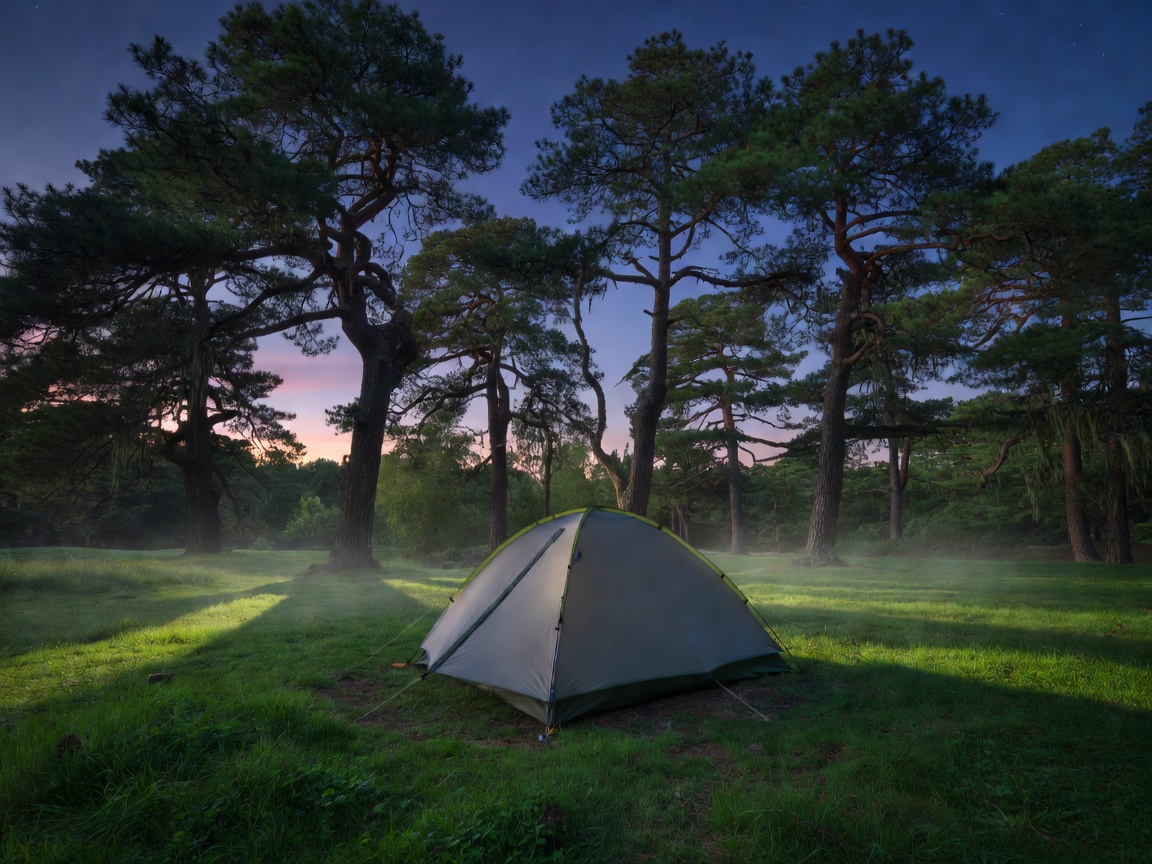
No. Wild camping, bivouacking outside emergency shelters and sleeping in a vehicle outside a designated campsite are prohibited nationwide. Enforcement is active around Bohinj, the Soča and inside Triglav National Park, and fines are issued. Campsites are plentiful and inexpensive.
How far ahead must I book a mountain hut?
For a July or August weekend at Kredarica, Dom Planika or the Triglav Lakes hut, six to eight weeks. Midweek in June or September, a few days is usually enough. Book directly with the hut or through the Alpine Association, bring a sheet liner, cash and earplugs.
Can I bring a dog?
Yes, with an EU pet passport or equivalent, microchip and valid rabies vaccination. Dogs must be leashed in Triglav National Park and on all marked trails, are banned from the caves and from some gorge boardwalks, and are excluded from many lake swimming areas in summer. Most huts accept dogs only with prior agreement.
Is Slovenia safe?
Consistently among the safest countries in Europe for visitors. The genuine risks are environmental: cold rivers, afternoon storms on exposed ground, loose limestone, and ticks in forested areas from spring to autumn. Tick-borne encephalitis is present — check yourself after forest walks and consider vaccination for a long or trail-heavy trip.
What about bears and other wildlife?
Slovenia has a healthy brown bear population, concentrated in the Kočevje forests of the south rather than the Julian Alps. Encounters on marked trails are extremely rare. Make normal noise while walking, do not leave food out at campsites, and never approach a cub.
Can I drink the tap water?
Yes, everywhere, and it is excellent. Public fountains in Ljubljana and most towns are drinking water unless signed otherwise. Refilling a bottle rather than buying one is standard practice.
Are drones allowed?
EU drone rules apply and operator registration is required. Flying inside Triglav National Park needs prior permission from the park authority, and is effectively prohibited over the caves, over crowds and near the airports. Assume no unless you have checked.
Quick reference
Numbers to keep on your phone
Emergency · 112
One number for ambulance, fire, police coordination and mountain rescue. Operators speak English. Rescue call-out is free; treatment and helicopter costs may be charged, so carry insurance covering alpine activity.
Police · 113
Non-emergency police matters, theft reports and traffic incidents without injury. Roadside breakdown assistance is on 1987 nationwide.
Road status · promet.si
Live pass closures, roadworks and winter equipment requirements. The single most useful site for anyone driving between the lakes and the Soča Valley.
Language
Twelve words that go a long way
| Slovene | Meaning | Say it roughly as |
|---|---|---|
| Dober dan | Good day / hello | DOH-ber dahn |
| Živjo | Hi (informal) | ZHEE-vyo |
| Hvala | Thank you | HVAH-lah |
| Prosim | Please / you're welcome | PROH-seem |
| Oprostite | Excuse me / sorry | oh-proh-STEE-teh |
| Koliko stane? | How much is it? | KOH-lee-koh STAH-neh |
| Račun, prosim | The bill, please | rah-CHOON PROH-seem |
| Voda | Water | VOH-dah |
| Jezero | Lake | YEH-zeh-roh |
| Slap | Waterfall | slahp |
| Pot / steza | Path / trail | poht / STEH-zah |
| Na zdravje | Cheers | nah ZDRAHV-yeh |
Question we have not answered?
Write to the editorial desk. We reply within two working days and we do not sell anything.