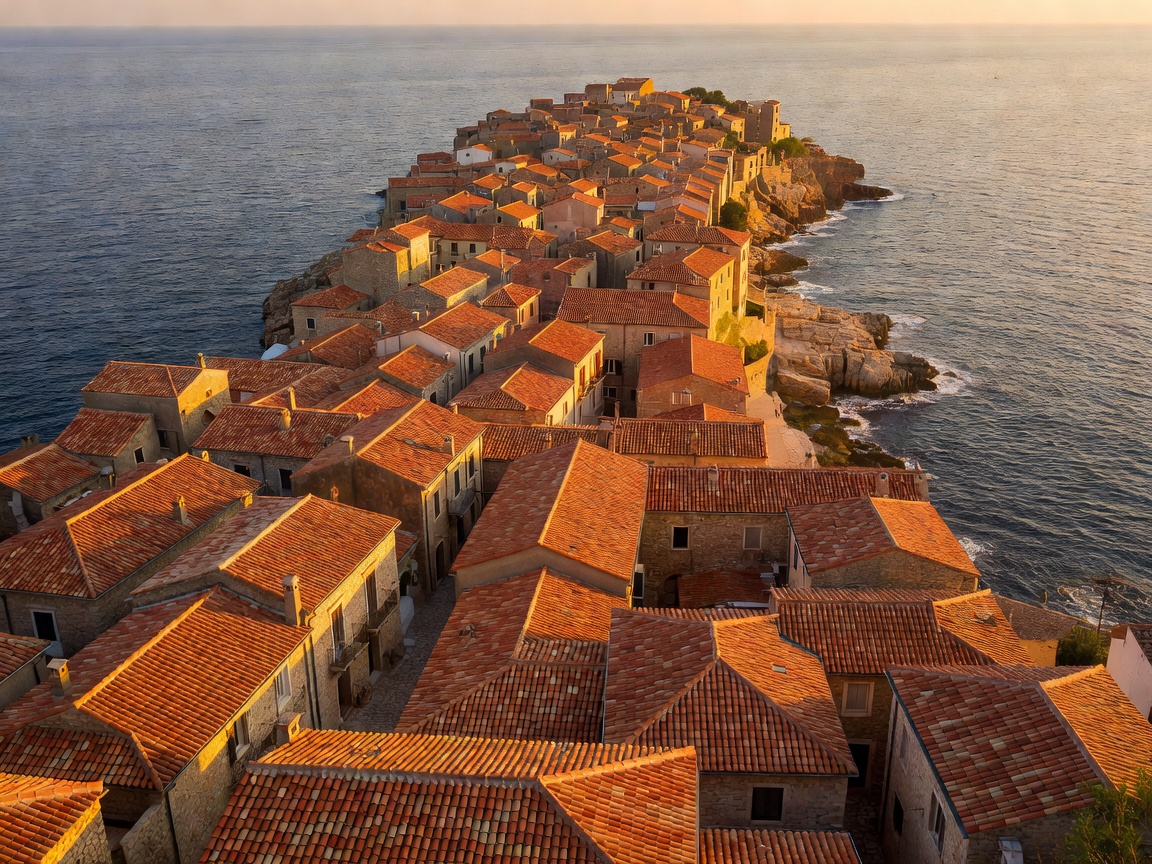
Slovenia has 46.6 kilometres of coast, and Piran occupies the most dramatic part of it: a narrow peninsula of pale stone jutting into the Gulf of Trieste, with the Alps visible to the north-east on clear winter mornings and the Croatian coast curving away to the south. The old town has barely changed shape since the sixteenth century because there is physically nowhere for it to grow.
Tartini Square
The heart of Piran is an oval marble plaza that was, until 1894, the inner harbour. When the basin was filled in, the town gained its only large open space. In the centre stands a bronze statue of Giuseppe Tartini, the violinist and composer born here in 1692; his house on the eastern side is among the oldest buildings in town and now holds a small memorial museum.
Look for the Venetian House on the north-east corner — a red Gothic palazzo from around 1450 with a stone relief reading "Lassa pur dir" ("Let them talk"), reputedly a merchant's answer to gossip about his affair with a local woman. Beside it, the Court House and the 19th-century Municipal Palace complete the square.
St George's and the walls
The Parish Church of St George stands on the ridge above the square, rebuilt in Venetian Renaissance and Baroque form in the early 1600s. Its free-standing campanile, completed in 1609, is a direct scaled-down copy of St Mark's in Venice; you can climb the wooden staircase inside for a small fee and an uncomfortable but spectacular view.
Higher again are the town walls, built in several phases from the 7th to the 16th century. Seven towers of the medieval circuit survive, and the restored section above the town is open for a couple of euros. It is a five-minute uphill walk from the church and delivers the definitive Piran photograph: the peninsula, the lighthouse point, the marina and the open Adriatic all in one frame. Go at sunset.
Swimming and the shoreline
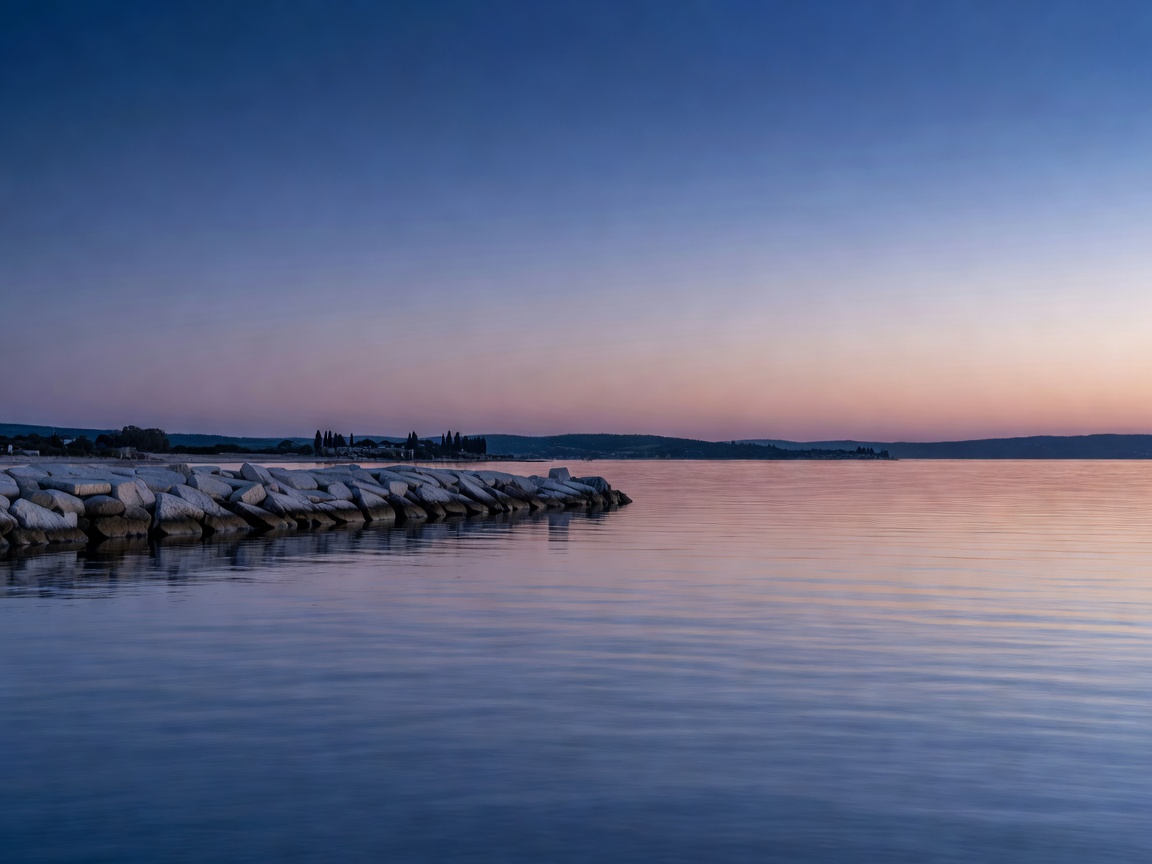
There is no sand. Slovenian coastal swimming happens from concrete platforms, stone shelves and small pebble coves, and Piran does this well. The platforms along the western shore below the walls are the most convenient; Fiesa, a 15-minute cliff-path walk east of town, has a small pebble beach and a freshwater lagoon behind it. Portorož, one bay south, has the closest thing to a conventional resort beach and is best avoided if you came for atmosphere.
Water temperature runs 23–26 °C from July to early September, and the Adriatic here is shallow and warm well into October.
Park at Fornače, take the shuttle, and forget the car. Piran's streets were laid out for donkeys; every attempt to drive into them ends in a slow, hot, three-point turn watched by an entire café.
Sečovlje Salina Nature Park
Seven kilometres south, at the Croatian border, salt has been harvested since at least the 13th century using the same method: seawater channelled into shallow evaporation basins, crystallised on a microbial mat called petola, then raked by hand. The Sečovlje Salina Nature Park protects 750 hectares of these pans, the Lera and Fontanigge sections, and is a Ramsar wetland with over 290 recorded bird species.
Visit in the late afternoon: the light on the water is extraordinary, the salt workers are still on the pans in summer, and there is a spa on site using brine and salt mud. Bring a hat and water — there is no shade anywhere on the flats.
Eating in Piran
The harbour front is lined with restaurants of varying honesty. Better options sit one street back and in the lanes climbing toward the church. Look for brancin (sea bass), orada (sea bream), škampi na buzaru (scampi in tomato and wine), sardoni (Adriatic anchovies, often fried whole) and black cuttlefish risotto. Ask for fish by weight and confirm the price per kilo before it is cooked — this is normal practice, not distrust.
Drink the local whites: Malvazija from the Slovenian Istrian hills, dry and saline, or Refošk if you want red. The Istrian olive oils from around Šmarje and Padna are among the best in the Adriatic and travel home well.
Getting here and parking
Piran is 120 km from Ljubljana (1 h 20 on the A1), 135 km from Kobarid (about 2 hours) and 30 minutes from Trieste airport in Italy. The old town is closed to non-resident traffic. Use the Fornače multi-storey car park at the town entrance — around €1.70 per hour or roughly €20 per day — and take the free shuttle bus that runs every 15 minutes, or walk the 10 minutes along the seafront.
In summer, passenger boats connect Piran with Portorož, Izola, Koper, and seasonally with Venice and Trieste. Local buses run frequently along the coast and inland to Koper.