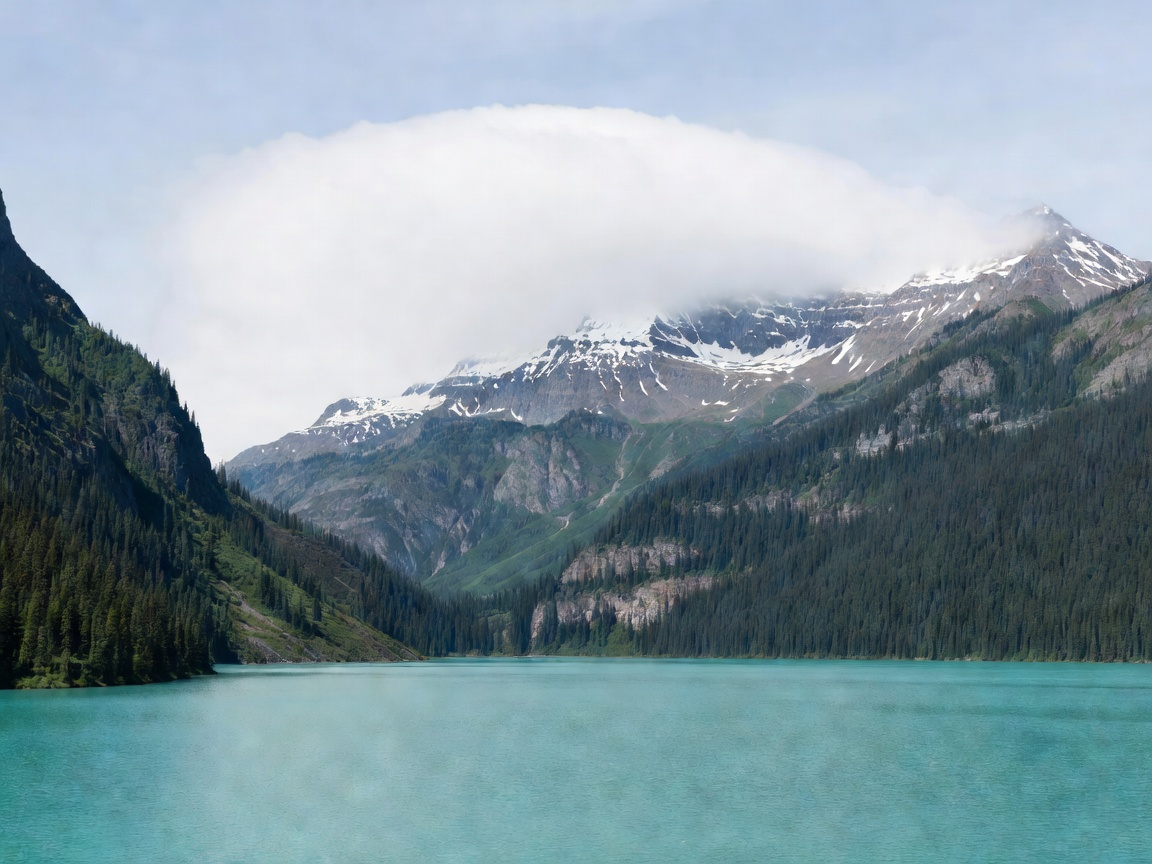
Bohinj is what Bled looked like before the world found it. The lake fills a glacial trough at the foot of the Julian Alps, with the Bohinj ridge rising 1,500 metres straight off the southern shore. There is no island, no castle and very little to photograph from a coach window — which is precisely the point.
The lake itself
Bohinj is Slovenia's largest permanent lake: 4.2 km long, up to a kilometre wide, 45 m at its deepest. It is fed by the Savica river and drains as the Sava Bohinjka under the stone bridge at Ribčev Laz, where the little Church of St John the Baptist stands with 15th-century frescoes inside and a photogenic stone arch outside.
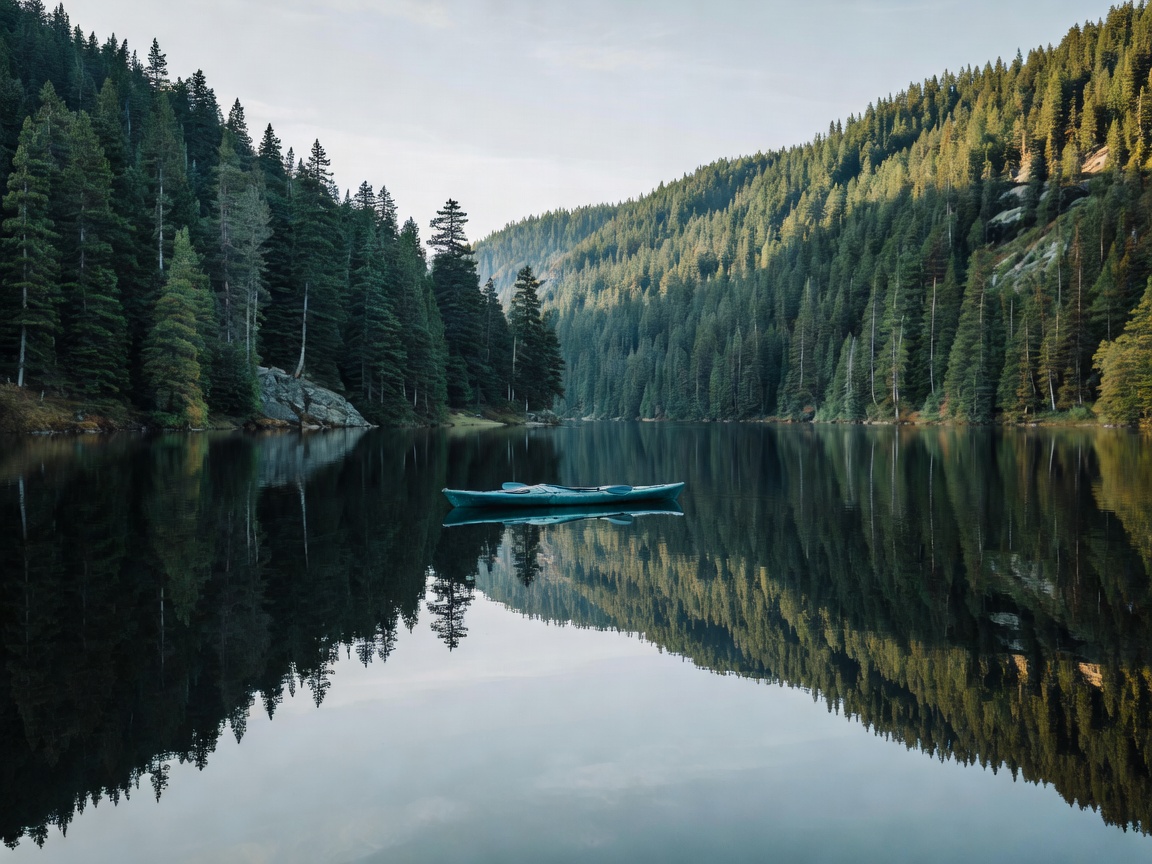
Water temperature peaks around 20–22 °C in late July and August — noticeably colder than Bled, and a genuine shock in June. Swimming is allowed almost everywhere; the beaches at Ukanc (western end) and the grass by the campsite are the most comfortable. Motorboats are banned, so the lake stays silent apart from paddles.
The full shoreline circuit is about 12 km and takes three and a half hours at a walking pace. The northern side is a broad forest track; the southern side is narrower, rockier and far more atmospheric, running under the cliffs with the water at your feet.
Vogel cable car
From Ukanc at the western end, the Vogel cable car climbs from 569 m to 1,535 m in four minutes. At the top there is a terrace restaurant, a network of easy ridge walks and — on a clear day — a direct view of Triglav's north face across the valley. In winter Vogel is a ski area with a genuine high-alpine feel and runs down toward the lake.
From the top station, the walk to Orlove glave (1,595 m) takes 30 minutes and delivers the classic aerial view of the whole lake. Sedlo Vogel and Šija (1,880 m) extend it to a half-day. Return tickets were around €25 for adults in the 2025 season; check the operating window, as there is usually a maintenance closure in late spring and again in November.
Savica Waterfall
The Savica is the lake's source and falls 78 metres in an A-shaped double cascade out of a limestone wall. From the car park at the end of the Ukanc road, 553 steps climb for about 20 minutes to the viewing platform. It is a short but steep walk with a modest entry fee. Flow is dramatic in May and June with snowmelt, and can reduce to a thread in a dry August.
Mostnica Gorge and the Voje Valley
Start at Stara Fužina, ten minutes from Ribčev Laz. The Mostnica river has cut a narrow, sculpted gorge through limestone — in places barely a metre wide with the water twenty feet below. A path follows the rim for about two kilometres, crossing the arched Devil's Bridge, and continues into the open Voje Valley with its hay meadows and shepherd huts. At the head of the valley, the Mostnica waterfall (Slap Voje) drops 21 metres.
Allow two and a half to three hours return to the waterfall. It is one of the best-value half-days in Slovenia: small entry fee for the gorge section, almost no crowds, and a mountain dairy at Planina Voje selling cheese and sour milk in season.
Bohinj's real luxury is timing. You can be swimming at seven in the morning, on a 1,500 m ridge by ten, and eating trout beside a stone bridge by one — without driving more than fifteen minutes.
Alpine villages of the valley
The Bohinj basin holds 24 settlements. Ribčev Laz is the service centre with the tourist office, boat hire and the church. Stara Fužina has the Alpine Dairy Museum, documenting the cheese-making culture of the high pastures. Studor is known for its clusters of toplar double hayracks, a uniquely Slovenian timber structure. Srednja vas and Češnjica feel like working farm villages because they are.
Getting there and parking
Bohinj is 28 km from Bled (30 minutes) and 85 km from Ljubljana (1 h 15). Buses run from Bled and Ljubljana via Bohinjska Bistrica. From the coast and the Soča side, the Bohinj car train through the 6,327 m Bohinj Tunnel between Bohinjska Bistrica and Most na Soči carries vehicles and is both a shortcut and an attraction in itself.
Parking is regulated and paid across the lake area from April to October, with the Ukanc, Ribčev Laz and Savica car parks filling by mid-morning in August. If you are staying locally, ask your accommodation about the guest card — it often includes free bus travel within the valley, which is by far the easiest way to move around in high season.